Alaska is located in the western United States and belongs to the Pacific states. Alaska is made up of mainland and many islands – Aleutians, the Alexander Archipelago, the Pribilof Islands and many others.

Alaska – the largest of the U.S. states, Alaska Area – 1,717,854 Km2. The figure shows that if the contour map of Alaska to impose on the U.S. mainland, the most western point will be in California, and by the east – to Florida.

In Alaska is the northernmost point of the United States (Point Barrow, 71 ° 23’20 “with. Co., 156 ° 28’45″ W. Etc.) and the westernmost point of the fifty U.S. states (the island of Attu, Aleutian Islands, 52 ° 55 ’14 ‘with. co., 172 ° 26’16 “to. etc.)

Alaska is bordered to the east with Canada and the west – with Russia (the maritime boundary in the Bering Strait).

Alaska is washed by two oceans, from the north – the Arctic, from the south and west – the Pacific. The length of the coastline of Alaska more than any other U.S. states combined. In the Cook Inlet near Anchorage Alaska’s largest city are among the highest tides in the world (up to twelve meters).
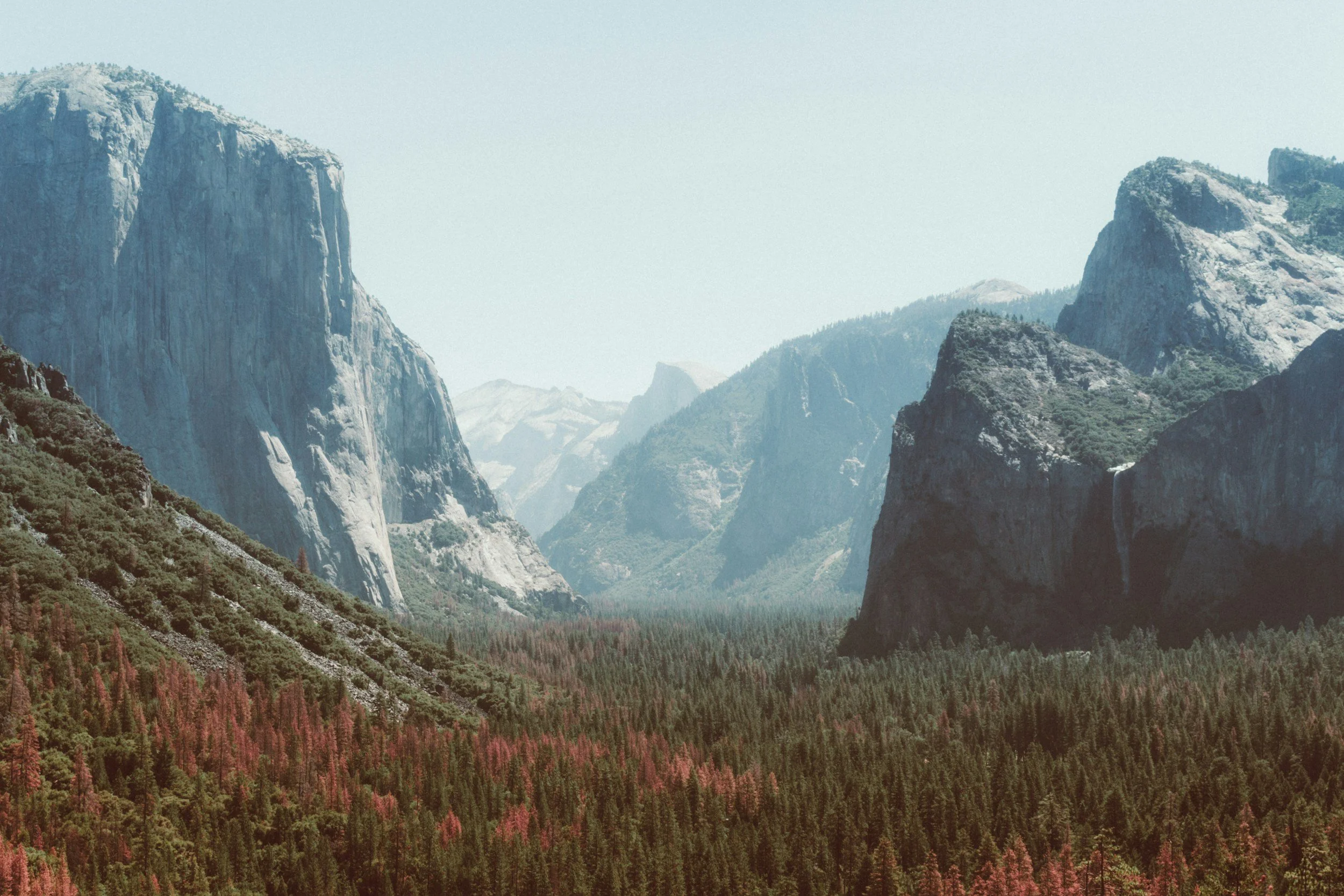
Along the Pacific coast of Alaska Range stretches. It is here that is the highest mountain in the USA – McKinley (6194 m above sea level). North of the Alaska Range, in the interior of Alaska, lies a plateau of 600 meters in the west to 1200 meters in the east. Further north, beyond the Arctic Circle is the Brooks Range, whose length is over 950 kilometers and an average height – 2,000 – 2,500 meters above sea level. In the far north of Alaska is the Arctic Plain.

Mountain ranges of Alaska are in the “Pacific Ring of Fire”, a volcanic mountain chain, and also exposed to earthquakes. Among the most important is the volcano on the island of Unimak Shishaldina, the highest mountain in the Aleutian Islands.

In Alaska, over twelve thousand rivers, the largest of which – Yukon (the length of the river more than 3000 kilometers and covers the area about 830 000 km2), Kuskokwim (about 1300 miles), Coalville (600 km).
In Alaska, there are more than three million (!) Of lakes, many wetlands.

Vast areas covered by glaciers in Alaska (more than forty thousand square kilometers). The largest of these, Glacier Bering, is 5800 km2.

In the north of Alaska are the two largest in the U.S. section of wildlife. In the north-eastern part of the state is the Arctic National Wildlife Refuge, an area of more than 78 000 km2, in north-west – territory of the National Petroleum Reserve area of about 95 000 km2.

Alaska is huge in size, for its regions characterized by different climatic conditions.

On the southeast coast of Alaska, near the state capital of Juneau, the climate is temperate maritime, with lots of rain. The average January temperature of -6 ° C to 1 ° C, in July – 10 ° C to 18 ° C.

In the south of the state in the region’s largest city of Alaska, Anchorage, the climate is subarctic, but softened by the proximity of the ocean. Here, too much rain falls, but mainly in the form of snow. Here, the average winter temperature in January, from -12 ° C to -5 ° C, in summer, in July – from 11 ° C to 18 ° C.

In the interior of Alaska, near Fairbanks, the climate is continental, subarctic, with a long cold winter (from early October to early May) and a short, relatively warm summers. The average January temperature of -28 ° C to -18 ° C, in July – from 11 ° C to 22 ° C.

In the north of the Alaska climate is very severe, the Arctic. Here, even in summer the temperature rarely rises above freezing.

In Alaska was the lowest temperature recorded in the United States on record (-62,2 ° C).