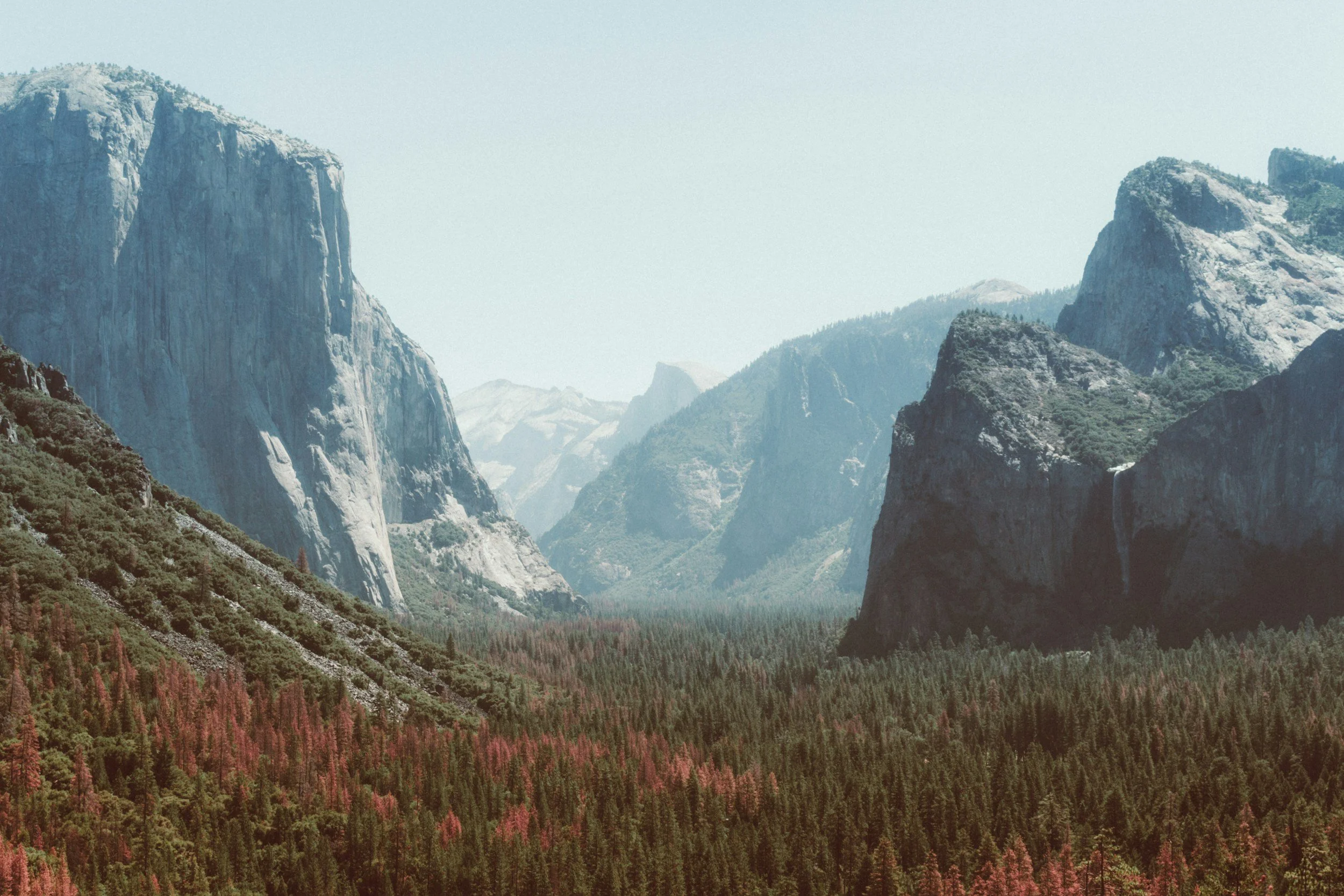
Grand Canyon (USA) is one of the deepest canyons in the world. It is located on the Colorado Plateau, Arizona, USA, in a national park the Grand Canyon. It is cut by the Colorado River in the thickness of limestone, shale and sandstone. The length of the canyon is 446 km. And the width ranges from 6 to 29 km, and at the bottom – less than a kilometer. Its depth is up to 1600 m. Since 1979, the Grand Canyon is included in the UNESCO World Heritage Site.
Grand Canyon is one of the most unusual geological objects of our planet, so it is very well researched. It is possible to find four geological eras of the Earth, the diversity of rocks and caves that contain rich geological, biological and archaeological material.
The canyon is considered one of the best examples of soil erosion. Initially, the Colorado River flowed across the plain, but as a result of crustal movement of about 65 million years ago the Colorado Plateau rose.
As a result, the plateau uplift changed the angle of flow of the Colorado River, resulting in increased speed and its ability to destroy the rock, lying in its path. First of all, the river has eroded the upper limestone, and then began to cut a more profound and ancient sandstone and shale. And thus formed the Grand Canyon.
This happened about 5-6 million years ago.
The canyon is also now growing due to continued erosion.
Grand Canyon was formed over about 10 million years: the plain, on which flowed Colorado, heaving under the influence of ground forces, turned its water flow as it gradually cut into the plateau, washing out fairly soft rock canyon – limestone, sandstone and shale.
Now on the bottom of the canyon the river is aiming at the most ancient rocks – granite, whose destruction is much slower. The river speeds by at 20 miles per hour (the name of the river Colorado is Spanish and means “red”). Along the bottom it rolls along huge boulders and pebbles, carrying with them so much sand and clay, that the river itself becomes completely opaque .
During the day, Colorado takes to the sea about half a million tons of rock. Stones and sand carried by the river, increase the destructive effect of the Colorado, and even very strong granite canyon lodge “Emery” is annually for a quarter of a millimeter cleaned out.
All this multi faceted stone labyrinth, as well as giant canyon walls, is lined with alternating yellow, pink, red, brown and brown layers of sedimentary rocks that form the plateau. These perhaps are the most comprehensive in the world of geological outcrops that represent the history of the Earth for 1.5 billion years.
The climate of the plateau and down the canyon is dramatically different – when at the top it is fifteen degrees Celsius at the bottom of the gorge, among the red-hot stones the temperature rises to plus fourty.
Interesting is also the wildlife of the canyon. At the bottom of the gorge there is a typical Mexican landscape with a variety of cactus, agave. The rich fauna includes 100 species of birds and 60 species of mammals, including several extremely rare species.