
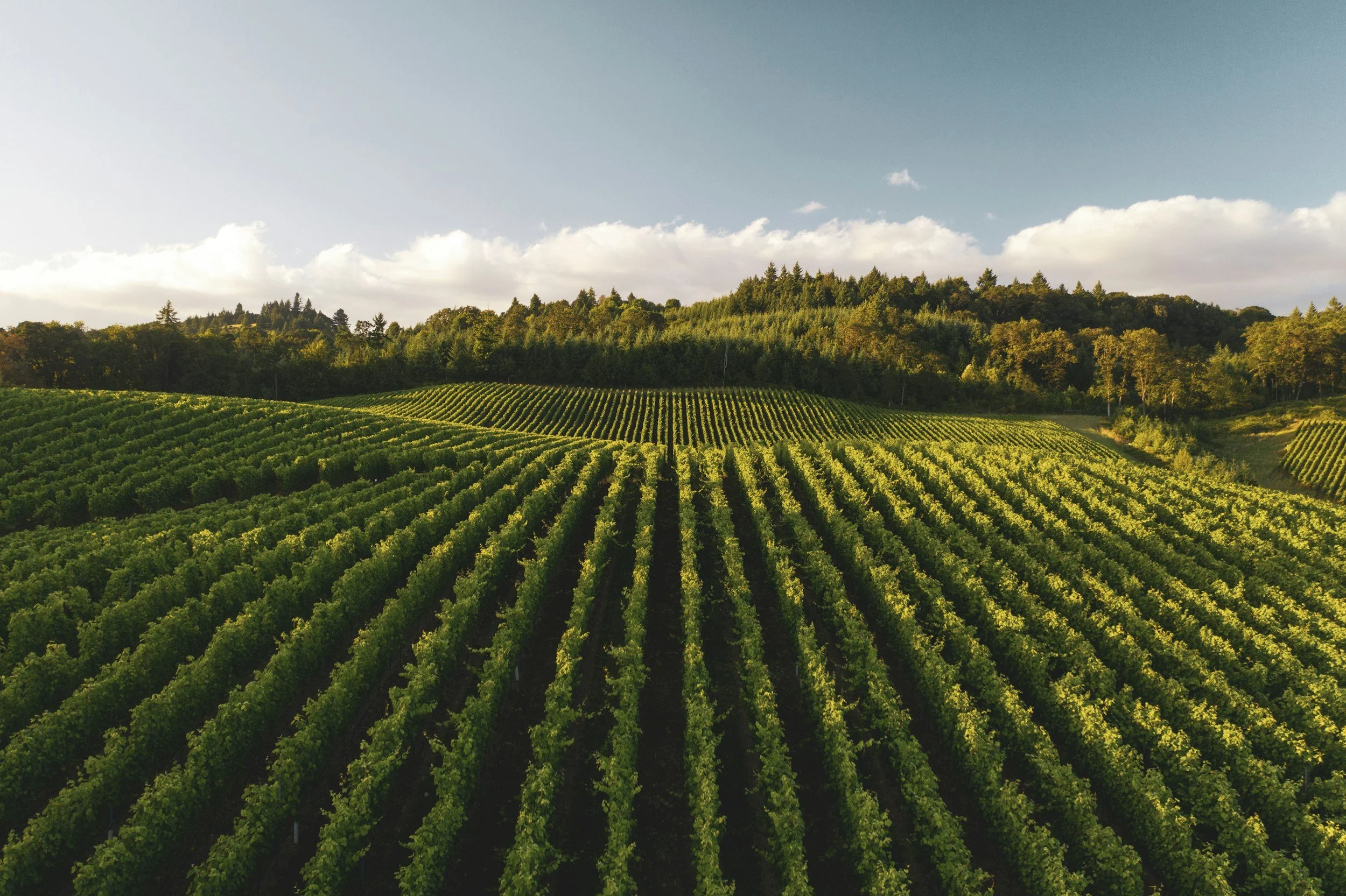
OUR PILLARS
Private Lands

Private lands are at the core of America’s rural economies and its conservation future.
More than half of the land in the U.S. is privately owned. Ranchers, farmers, land trusts, community planners, and landowners play a central role in directing growth, protecting critical areas, protecting wildlife habitat, sustaining rural communities, and stewarding natural resources.
Durable conservation of private lands depends on policies that align economic viability with beneficial ecological outcomes – ensuring that communities and landowners continue to thrive while also protecting critical landscapes for nature.
What We Do
USNI identifies where landowner interests, community needs, innovative tools, and bipartisan policy opportunities intersect. We invest in strategic partnerships that strengthen long-term conservation frameworks for private working lands, conservation areas, and community development. Our work includes:
Protecting the durability of conservation easements
Strengthening relationships with agriculture, ranching, and rural validators
Building advocacy and campaign capacity of private land conservation stakeholders
Building bipartisan support for transformative conservation funding as well as proven conservation and community planning tools
We are designing multi-state strategies to reinforce durable easement policy and ensure that working lands conservation endures and remains economically viable.
USNI aims to build on our investments in easement defense by expanding advocacy capacity among private land stakeholders in additional states. Over time, we will shift from building advocacy muscle to using it, but advancing proactive state funding and policy changes that direct significant resources toward private land protection and strengthen tools for community planning and conservation.
We will pursue innovative ways to keep working lands economically viable and ensure conservation funding is deployed quickly and effectively for the protection and restoration of critical habitats and working lands.
Looking Ahead