
Built to Win, Designed to Last.
American Nature Strategy

Few issues still unite this country, but our most widely shared inheritance, American nature, is one of them. It lives in the ranch that has stayed in one family for generations, the trout stream under Appalachian hemlock, the marsh behind a coastal town that takes the first hit from every storm, and the boat ramp at first light.
And yet, over recent decades, American conservation has been losing ground. Not for lack of effort, expertise, or people willing to fight for it.
What Got Us Here
The politics changed.
Conservation got pulled into polarized fights over climate and energy, and trust in Washington fell the furthest in the rural communities that feel federal decisions most.
The institutions changed.
Agencies were stretched thin, and the field's capacity shifted toward delivering projects rather than building the political support that makes them last.
Through it all, the field kept running the same playbook, and wins secured under one administration were undone by the next. American conservation does not lack public support. It lacks a shared strategy that aligns the field and its funders behind goals built to last.
The pressures changed.
Development, drought, fire, and flood are reshaping land and water faster than policy can keep up.
How the Strategy Works
Three Pillars, Grounded in Evidence
Shared ten-year goals in each, built on what makes a win last, what it takes to win, and where nature is losing ground. Durable, bipartisan federal outcomes for America's land and water
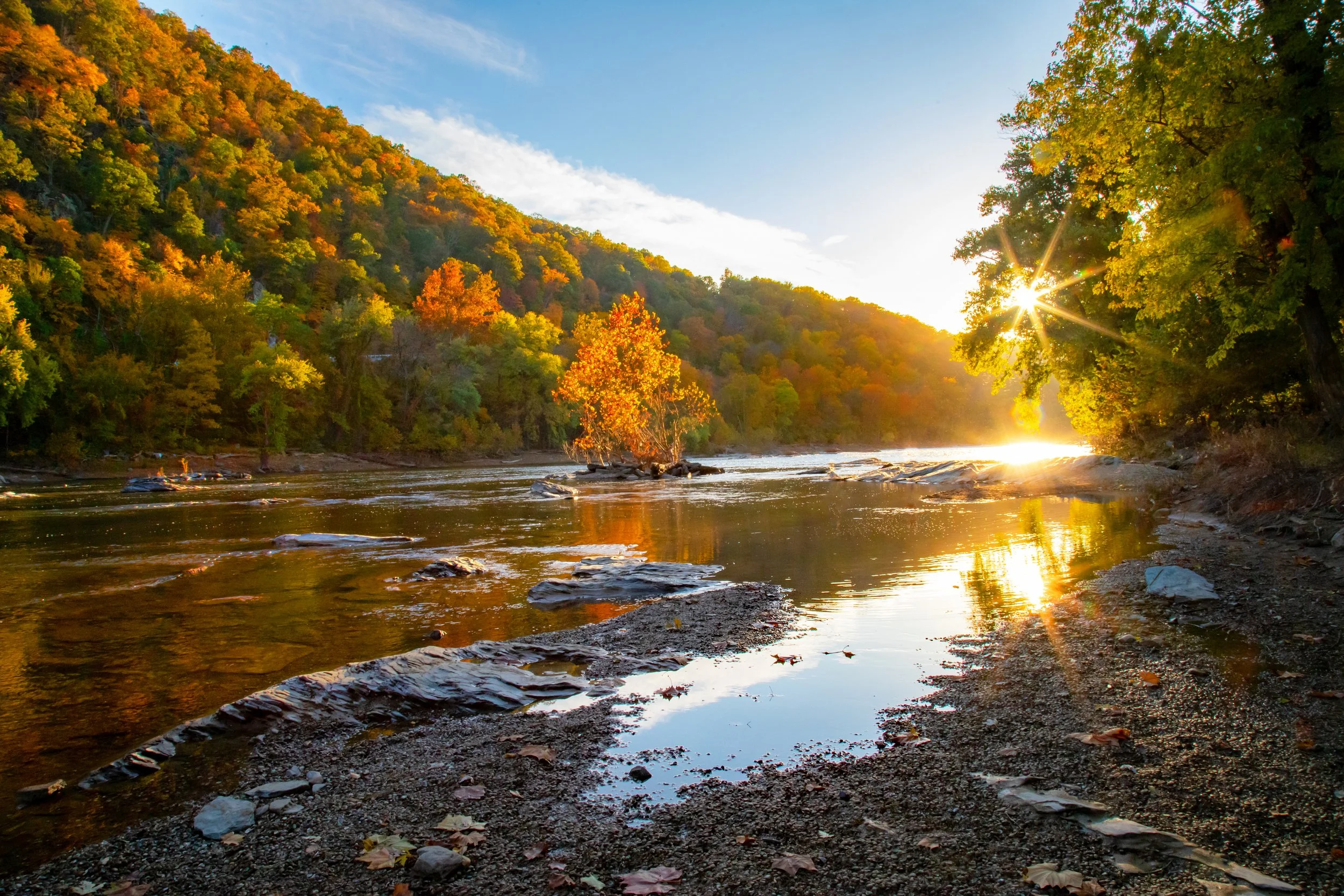
Public Lands & Wildlife
Public lands are a shared asset and the backbone of rural economies and outdoor life, and their condition has degraded.
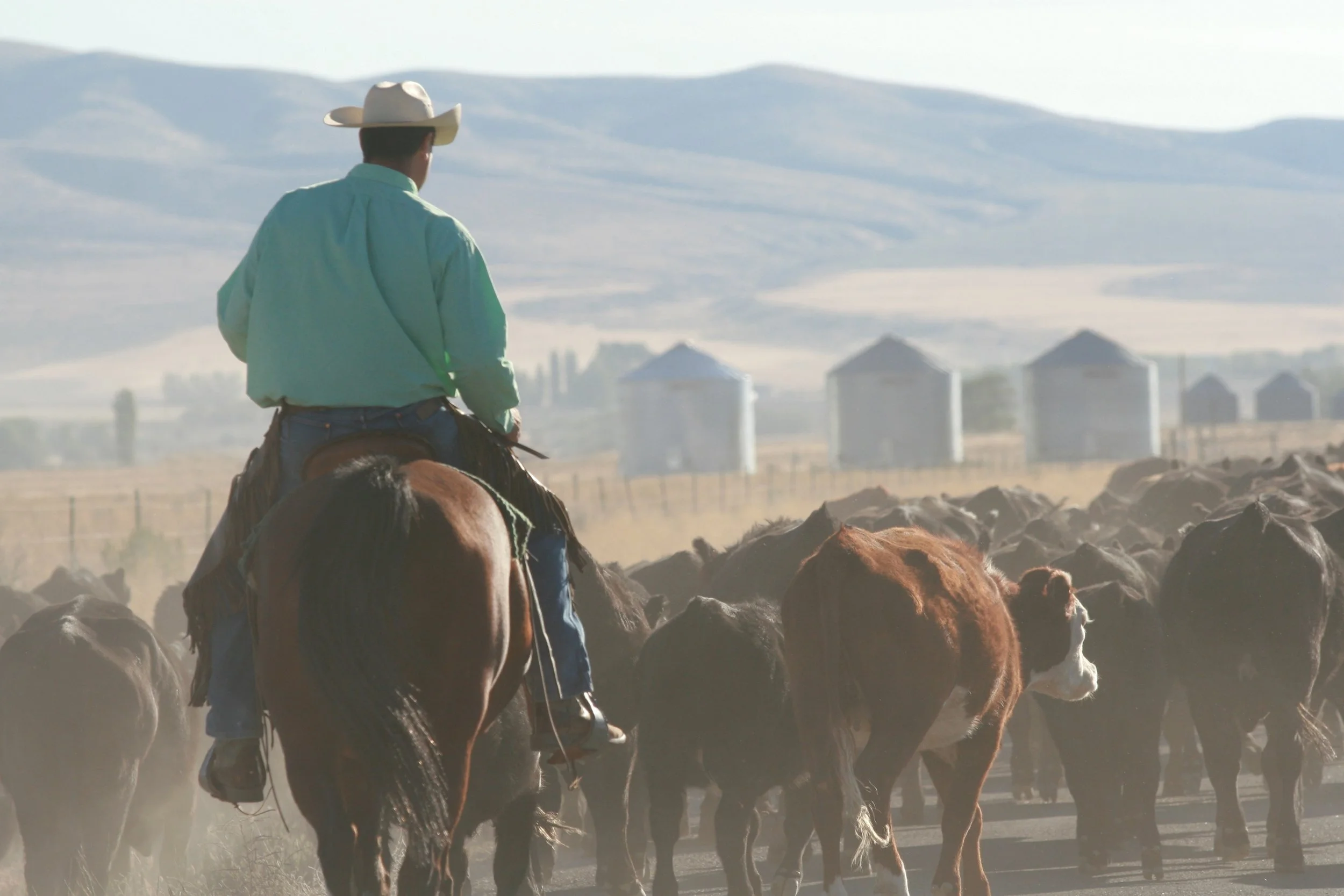
Private & Working Lands
Conversion is the single largest driver of habitat loss, and the overwhelming majority of it happens on private ground. What works is voluntary and incentive-based, and it draws bipartisan support, but it lacks scale.
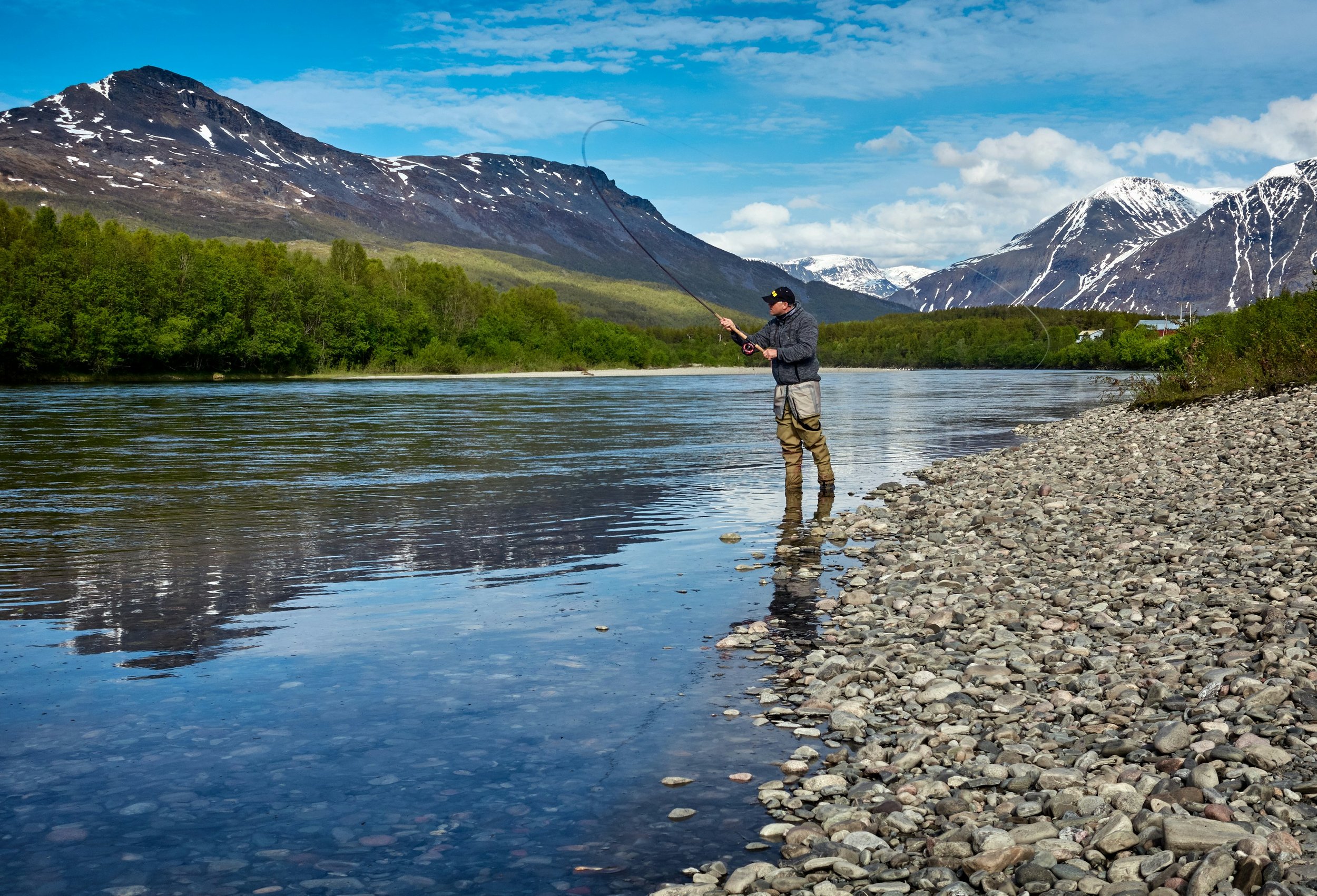
Water
Water is the strongest bipartisan entry point conservation has, and where legal protections have eroded fastest.
How the Campaigns Work
Locally Driven, Federally Leveraged
Build
The coalition, the capacity, and the case in a place where a win is available, with the people and money behind it.
The Strategy starts where conservation still wins, in state and local campaigns led by people decision-makers already trust. Every campaign has three jobs.
Win
Secure a real policy win that proves the model works and shows decision-makers that conservation delivers for the people they represent.
A campaign run this way leaves behind more than a policy: a trained campaigner, a coalition still working, a message tested under pressure, and a champion who led.
Leverage
Amplify the win with a governor, a congressional delegation, a committee chair, or a neighboring state that could do the same.
Reports that the Strategy was Built on
Four lessons on what makes conservation last, built from the outset.
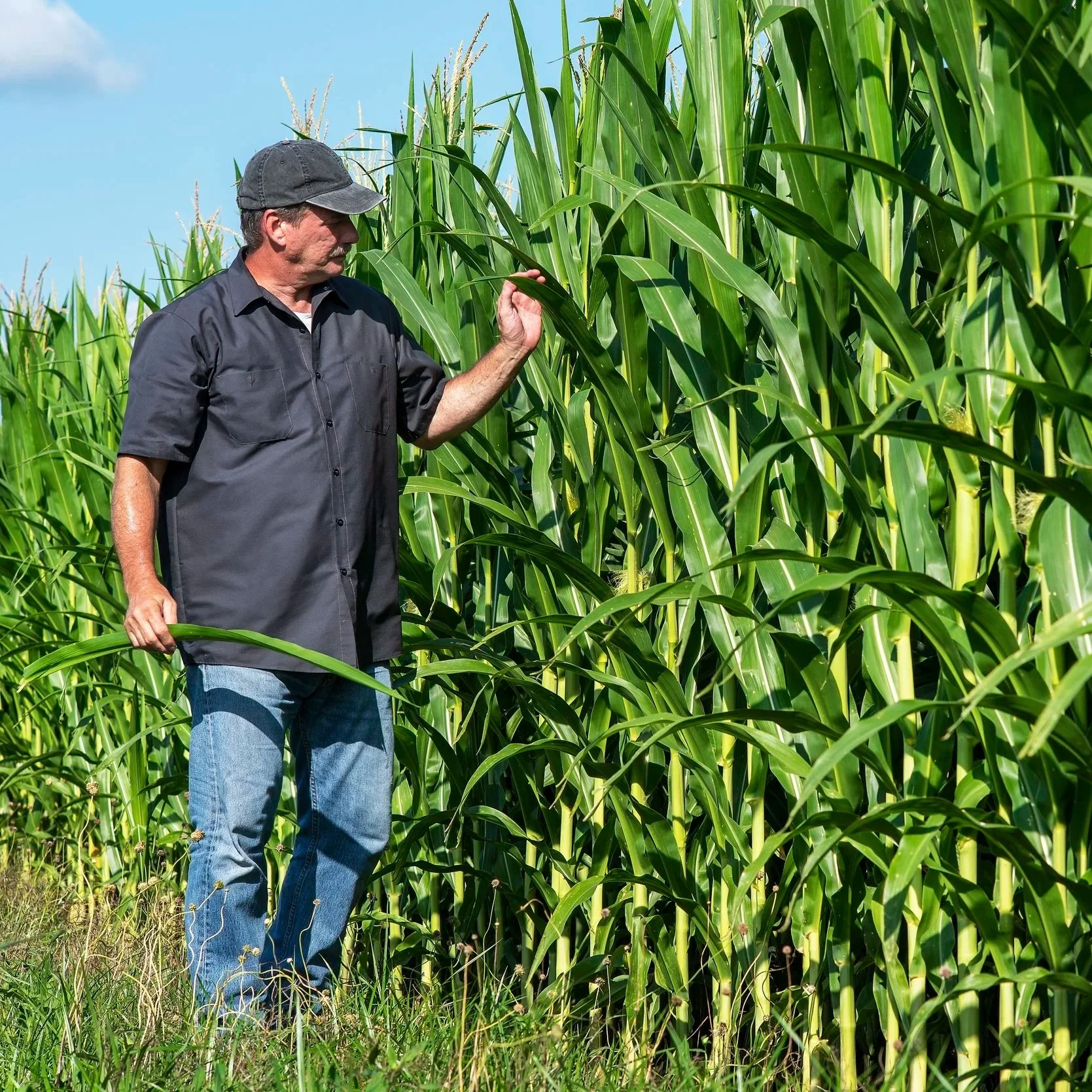
Conservation Landscape Assessments from 200+ practitioners across eight regions on what it takes to win, right now.